Tokyo (SCCIJ)—Microsoft and the Swiss start-up Inait have joined forces to deploy artificial intelligence applications ranging from financial trading to robotics. Inait’s AI models simulate brain processes and learn from real-world experience.
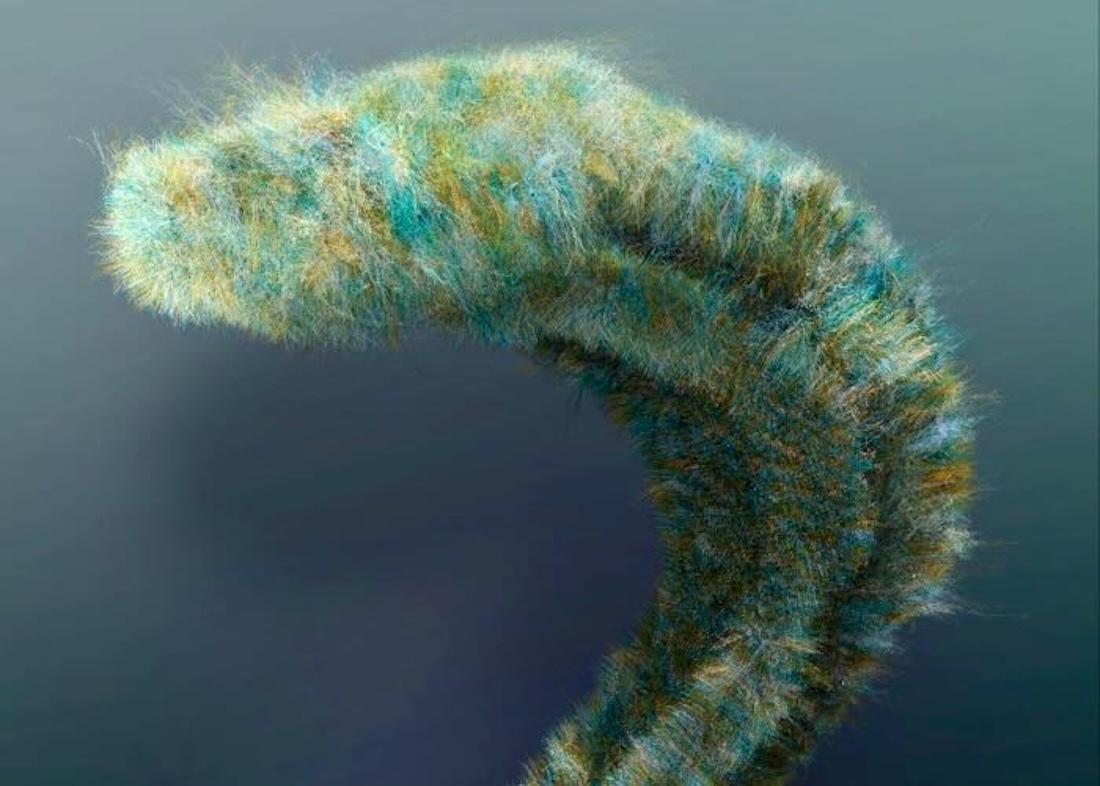
Brain simulations
Inait describes itself as a “Swiss-based AI innovator developing the next generation of artificial intelligence with groundbreaking digital brain technology.” The seven-year-old start-up from Lausanne has operated “in deep tech stealth mode to decipher the neural code, develop a digital brain operating system, and pioneer causal learning to empower digital brains to accumulate cognitive skills.”
According to its website, after surpassing rigorous technology and product benchmarks and forging strategic partnerships, Inait is launching “Intelligent Action Models” across industry verticals, starting with fintech and robotics. The partnership with Microsoft means an international breakthrough for Inait. Founder and chairman Henry Markram calls it “a decisive moment in the company’s history.”
The partnership will focus on delivering advanced trading algorithms, risk management tools, and personalized advice in the financial sector. In robotics, it will help develop machines for industrial manufacturing that are more adaptable to complex and dynamic environments. The two companies’ collaboration highlights the potential of using inspiration from the human brain to improve AI.
New AI paradigm
Inait’s AI technology is born from decades of neuroscience research and offers a paradigm shift in artificial intelligence. Its “brain programming language” and ability to learn from experience and understand cause and effect delivers cognitive abilities for real-world interactions towards adaptive general intelligence, overcoming the limitations of current AI systems.
According to Markram, the technology is based on 18 million lines of computer code: “It was mostly built around the mouse brain, but it is a generic recipe, and it can be used to recreate or replicate the brains of other species as well, all the way from ants to — in principle — humans,” he told the Financial Times.
Inait’s work builds on a 20-year Swiss government-funded initiative completed in December to use brain research to create biologically accurate digital replicas of the organs. AI models based on brain simulations can be less energy-hungry and learn much faster than existing deep reinforcement models. “We believe that Inait’s AI approach has the potential to add significant value to the industry,” said Catrin Hinkel, Swiss country manager at Microsoft.
Text: SCCIJ based on Microsoft News